AequiSym AI's UX Journey: Making Healthcare Apps User-Friendly for All
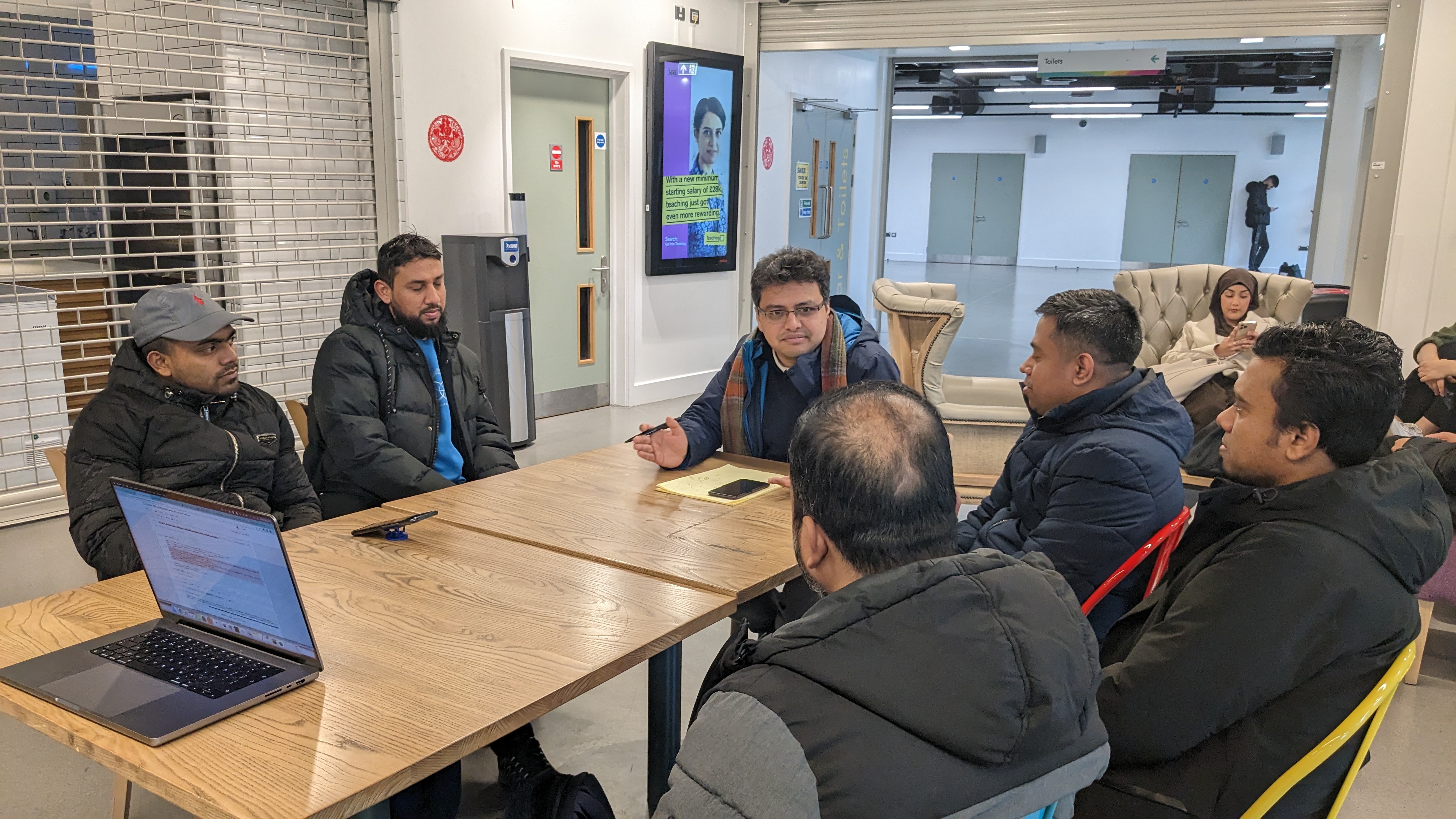
In today's digital age, technology has become an integral part of our lives, shaping the way we communicate, work, and even seek medical assistance. However, not everyone is equally comfortable with technology, particularly in rural areas and among ethnic South Asian populations. Understanding the need for user-friendly healthcare applications, AequiSym AI embarked on a transformative UX (User Experience) journey. Through a series of workshop sessions, in-depth interviews (IDIs), and UX sessions, AequiSym AI aimed to enhance their apps' usability, especially for rural people in Bangladesh and ethnic South Asians. This article delves into AequiSym AI's efforts to introduce a visually interactive and graphical interface for symptom collection and the integration of local languages, which emerged as major findings from their UX sessions.
To kickstart their UX journey, AequiSym AI conducted four workshop sessions, bringing together professionals from various domains, including healthcare providers, designers, and technical experts. These sessions fostered collaboration and knowledge exchange, providing a platform to understand the challenges faced by different stakeholders. By engaging participants in brainstorming activities, AequiSym AI aimed to explore innovative solutions to improve the user experience of their healthcare apps.
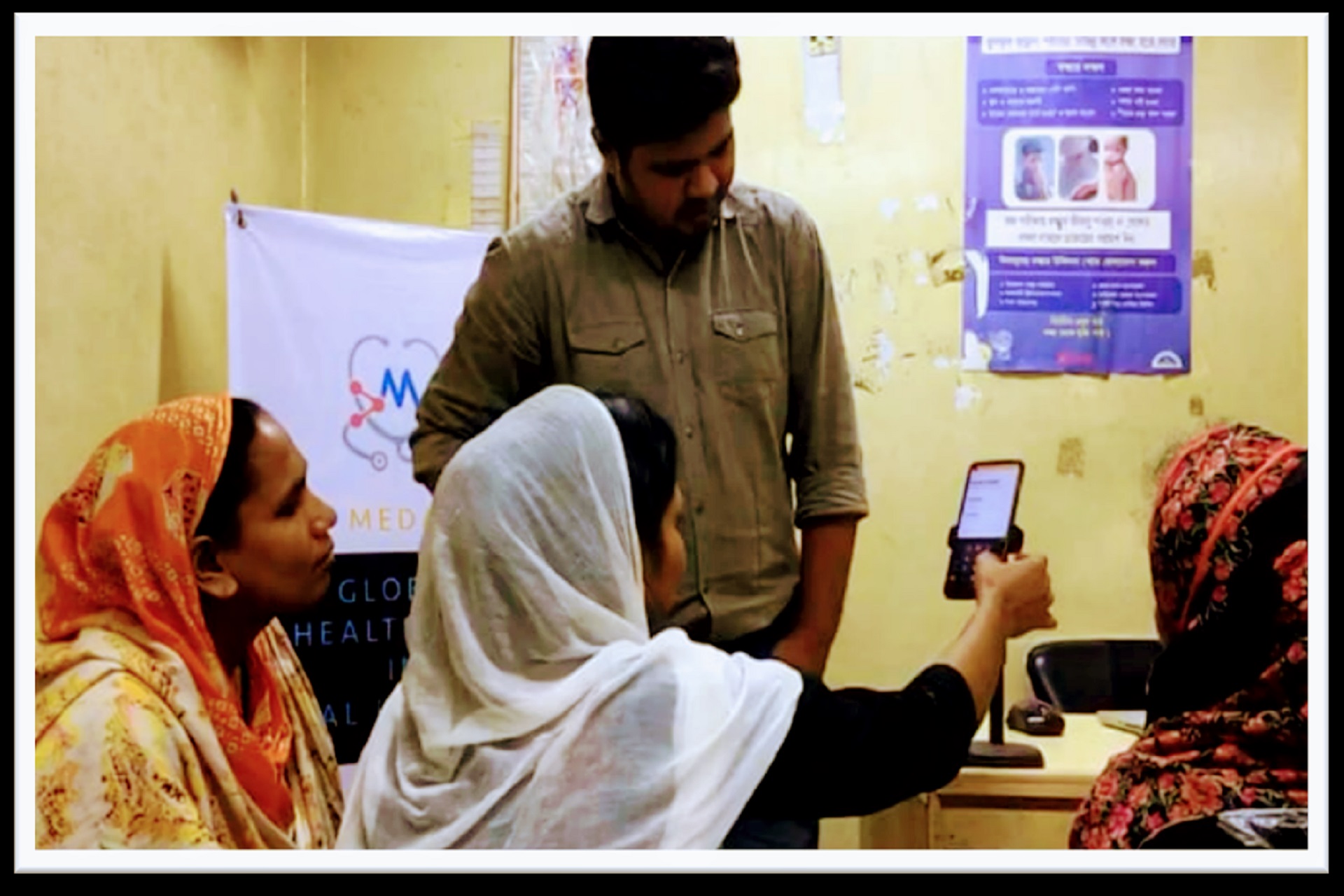
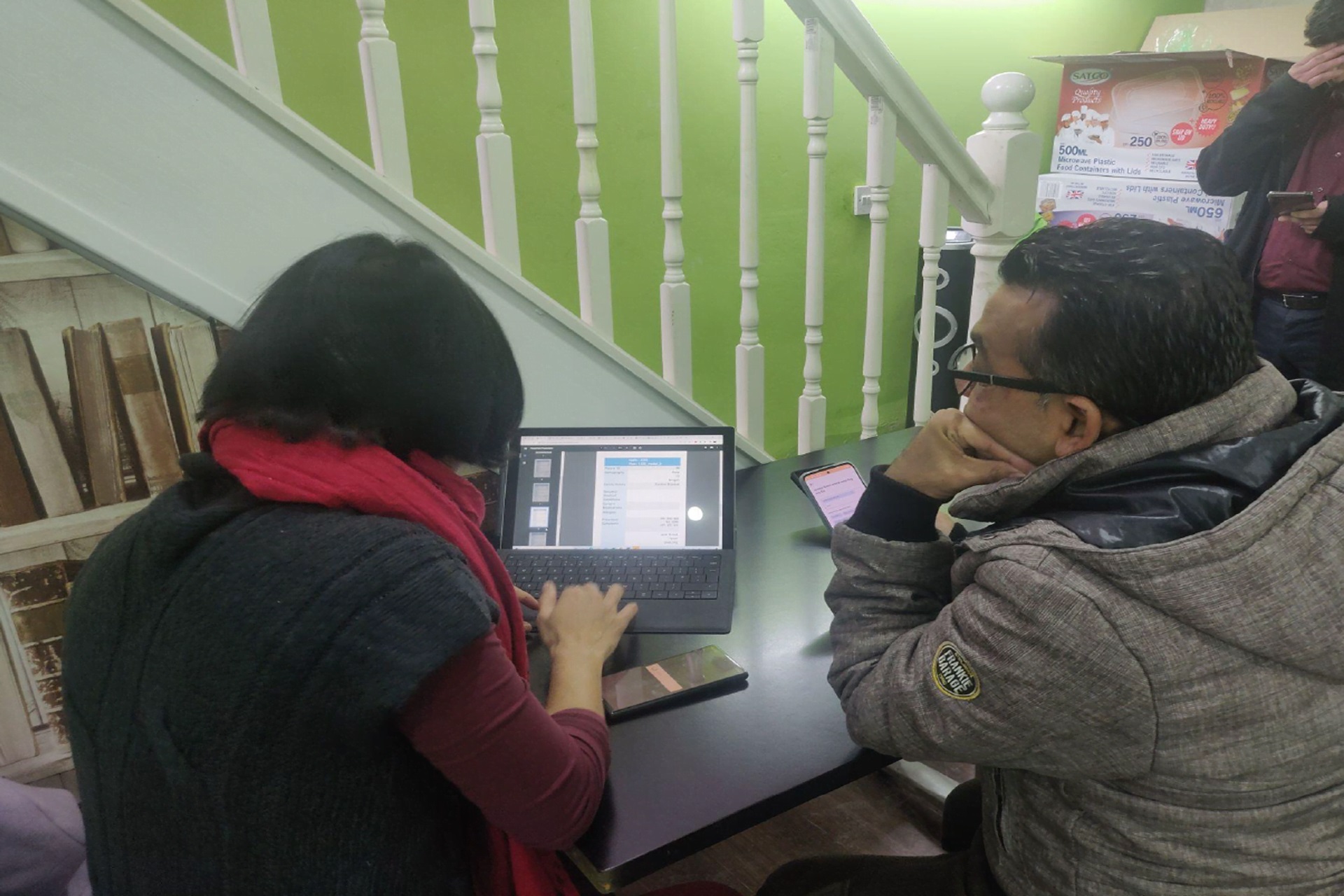
AequiSym AI's UX sessions involved seventy-five patients from both the United Kingdom and Bangladesh. The sessions aimed to collect user feedback and understand the pain points in existing healthcare apps. The findings revealed a lack of accessibility and comprehension among users, especially those from rural areas and ethnic South Asian backgrounds.
Consequently, AequiSym AI realized the need for a visually interactive and graphical interface that would facilitate symptom collection and increase user engagement. In response to the feedback received during the UX sessions, AequiSym AI made a crucial decision to revamp their symptom collection process. They recognized that textual interfaces can be overwhelming, particularly for users with limited technological literacy. To address this, AequiSym AI introduced a visually interactive and graphical interface. This new approach transformed the user experience by enabling users to select symptoms through intuitive visual cues and interactive elements. By simplifying the symptom collection process, AequiSym AI aimed to improve the overall usability of their apps, making them more accessible to a broader user base.

Another significant finding from the UX sessions was the importance of incorporating local languages into AequiSym AI's healthcare apps. It became evident that language barriers posed a significant challenge, hindering effective communication between users and the application. To overcome this barrier, AequiSym AI introduced local language support, allowing users to interact with the app in their native language. This localization effort not only increased comprehension but also instilled a sense of familiarity and comfort among users.
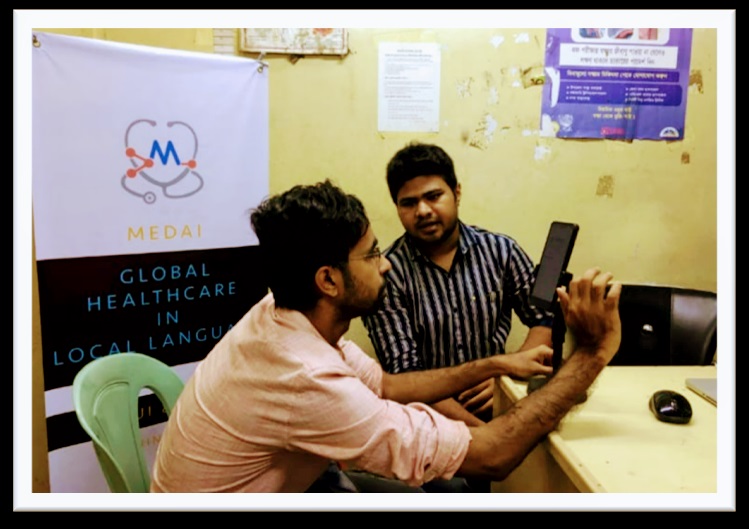
To ensure that AequiSym AI's apps met the needs of healthcare professionals, the team conducted five UX sessions with doctors in both Bangladesh and the United Kingdom. These sessions provided valuable insights into the specific requirements of healthcare providers and their preferences for interacting with medical applications. AequiSym AI incorporated the feedback received from doctors, optimizing the apps' functionalities to streamline the diagnosis and treatment processes.
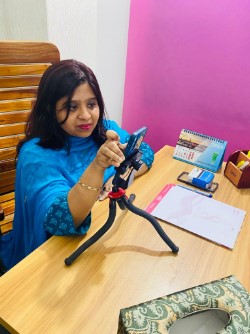
In conclusion, AequiSym AI's efforts to make their healthcare apps more user-friendly through a comprehensive UX journey have resulted in a significant transformation. By introducing a visually interactive and graphical interface, integrating local languages, and incorporating feedback from various stakeholders, AequiSym AI has created a more inclusive and accessible healthcare experience for all users. Their commitment to enhancing usability and bridging the digital divide sets a benchmark for future healthcare technology initiatives, emphasizing the importance of prioritizing user needs and cultural sensitivity in the quest for better healthcare outcomes.